Comprehending the Structure and Function of Firms
Firms are basic entities within the international economic situation, functioning as the foundation for sectors throughout different markets. A firm is a lawful entity separate from its proprietors, with the ability of having assets, incurring obligations, working with employees, going into contracts, and paying taxes. This distinctive lawful standing offers investors with minimal obligation, meaning their personal properties are protected from the corporation's financial debts and lawful actions. The creation of a company involves a governing structure that varies by jurisdiction yet typically consists of registering with a federal government body, preparing legal records like articles of unification, and sticking to continuous compliance commitments.
The governance of a company is usually structured around a board of supervisors, responsible for looking after the entity's tactical instructions and making significant plan choices. Shareholders, the proprietors of the company, deserve to elect these directors and vote on major problems at annual conferences. The everyday procedures are managed by police officers and executives that take care of numerous functional domains such as financing, procedures, and advertising and marketing. This ordered framework assists in distributing obligations and lining up the firm's tasks with its strategic objectives. Corporations can provide supplies to elevate funding from investors, an important element that sustains expansion and functional tasks. Thus, comprehending the complex details of exactly how corporations work and are structured is crucial for realizing their role in the modern-day economic climate.
Review of Company Entities and Their Features
Companies are complex entities that act as the backbone of the modern-day economic situation, working under legal frameworks that provide them certain rights, responsibilities, and obligations distinct from those of people. Essentially, a company is a lawful entity produced under state law, typically for the purpose of carrying out company. Companies can possess home, participate in binding contracts, file a claim against and be sued, and do several various other actions through representatives or police officers that act upon their part. One of the main advantages of a firm is restricted responsibility, a stipulation that secures investors' personal properties from being used to please corporate debts or liabilities. This legal splitting up between the firm's obligations and the individual finances of its investors urges people to buy services without risking personal monetary destroy. Firms are likewise defined by their capability to raise capital successfully, either with the sale of stock or through financial debt funding. This capacity not only sustains growth and the development of brand-new items yet likewise supplies a mechanism for the risk to be spread out amongst a huge team of shareholders. Furthermore, the existence of a company can continue forever, transcending the lives of its creators and any type of monitoring changes, which enables for lasting planning and financial investments. Governance in firms typically includes an organized board of supervisors in charge of making significant choices and managing the general operations of the business. This board delegates day-to-day management to execs that deal with the operational elements of the firm. The distribution of these obligations and duties is generally outlined in corporate bylaws, which are composed at the firm's inception and can be changed as needed to accommodate the company's developing needs. On municipal council information in english , firms play an important duty in moving economic situations onward by fostering development, providing work, and facilitating the manufacturing and circulation of solutions and products internationally.
Corporate Structure and Administration
Understanding the intricacies of company structure and administration is vital for realizing how a corporation is and operates managed. At the core of any kind of firm's framework are the shareholders, who own shares in the business and thus a part of its assets and incomes. These shareholders choose a board of supervisors, an essential body that makes overarching decisions and collections plans intended to improve the profitability and stability of the firm. The board of directors selects the firm's elderly management, consisting of the Principal Exec Officer (CHIEF EXECUTIVE OFFICER), that is in charge of the day-to-day operations and management of the firm. This hierarchical structure guarantees that there is a clear delineation of duties and roles, which is vital for large companies where tactical alignment and functional efficiency are vital. Additionally, corporate administration incorporates the techniques, rules, and procedures by which a company is directed and managed. It stabilizes the rate of interests of the various stakeholders— consisting of investors, management, consumers, vendors, sponsors, federal government, and the neighborhood. Effective administration includes regulative compliance, ethical conduct and keeping a transparent partnership with stakeholders. It intends to construct a framework that promotes notified decision-making, accountability, and the liable management of resources, which ultimately contributes to the lasting sustainability of the company. This structure is additionally dynamic, usually advancing with changes in regulation, social expectations, and organization environments, guaranteeing that the firm remains straightened with both its exterior obligations and internal goals.
Business Framework and Administration
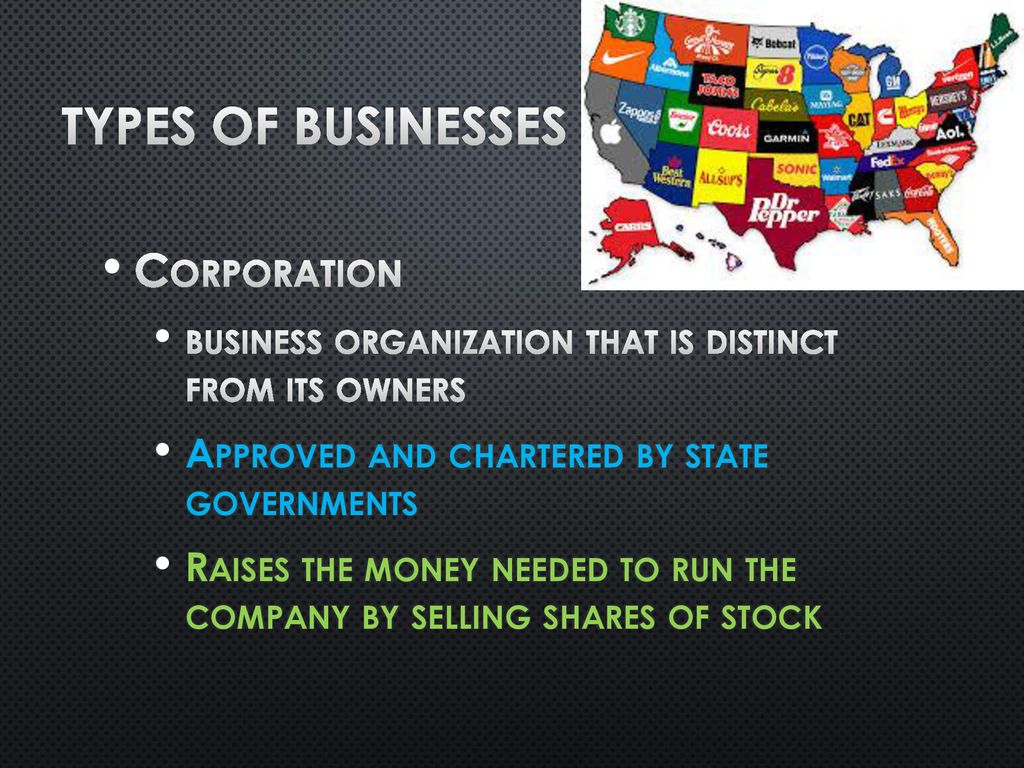
Understanding the complexities of business framework and administration is vital for comprehending exactly how modern corporations are and run managed. At its core, the corporate structure figures out the pecking order and the circulation of responsibilities within a company. This framework is normally defined into 3 essential rates: directors, shareholders, and policemans. Shareholders are the proprietors of the corporation, and they apply their power mostly via voting to elect the board of directors. The board holds significant authority over tactical decisions and corporate policies and is accountable for supervising the total management of the firm. Officers, including the President (CEO), Chief Financial Policeman (CFO), and others, are designated by the board to handle the daily procedures and to implement the board's methods and plans. On another level, company administration describes the devices, processes, and connections through which firms are managed and directed. Administration frameworks and principles recognize the circulation of legal rights and duties among different individuals in the firm, such as the board, managers, shareholders, and other stakeholders, and consist of the regulations and procedures for making choices on business events. Good governance can bring about boosted company performance by reducing threat and including openness to choices, which can attract investors and enhance the business's online reputation. Alternatively, inadequate administration can lead to financial detractions and crises that endanger shareholder self-confidence and corporate feasibility. The performance of governance effects not only the firm yet additionally the economic situation at large by affecting how sources are allocated and exactly how business risks are taken care of. Company administration structures can vary considerably depending upon the regulative and legal landscape of the country in which a corporation runs. In the United States, public firms are expected to adhere to strict Stocks and Exchange Commission (SEC) policies that enforce transparency and responsibility. In contrast, a family-owned venture may not undergo such strenuous regulative oversight but will certainly still stick to internal governance concepts customized to its special situation. This adaptability enables each company to adapt its governance structure to satisfy details operational demands, organization objectives, and governing requirements, thereby enhancing its capacity to take care of exterior and interior difficulties efficiently.
Strategic Expansion and Investment Approaches of Modern Firms
In today's quickly advancing market, corporations are significantly focusing on cutting-edge techniques for growth and investment to solidify their market placements and make certain long-lasting growth. The strategy to strategic growth usually includes a mix of scaling up procedures, branching out line of product, entering brand-new markets, and leveraging innovation to improve effectiveness and reach. Technology giants are consistently discovering chances in fabricated knowledge and equipment knowing to drive both their core items and new ventures. This not only strengthens their technical side yet likewise opens brand-new income streams. Likewise, manufacturing firms spend heavily in automation and wise technologies to increase production abilities and lower functional prices, aligning with the broader goals of commercial sustainability and efficiency. In addition, modern-day corporations are not simply increasing via organic development; purchases and mergings (M&A) are significantly popular as a quicker path to development. By merging or getting with various other companies, organizations can rapidly scale, obtain new technologies, or remove competitors, consequently boosting their market share and financial security. The technology sector saw substantial M&A task as firms aimed to settle their solutions and increase their technical capacities. Beyond modern technology, we see similar trends in the pharmaceutical market where companies aim to improve their R&D abilities and expand their market reach by getting biotech startups. An additional crucial element of business method today is the focus on sustainability and social responsibility. Customers and investors alike are increasingly demanding that business not just concentrate on productivity but additionally on their influence on culture and the environment. This change has motivated corporations to reassess their functional, investment, and expansion methods to include lasting methods. Whether it's through pursuing eco-friendly power solutions, lowering waste, or ensuring fair labor practices, integrating these components right into core service strategies has ended up being crucial for maintaining a favorable public picture and securing capitalist confidence. Investment in electronic makeover has likewise end up being a cornerstone of business approach. With the increase of electronic marketplaces, on the internet solutions, and remote work modern technologies, companies throughout all industries are finding that electronic readiness is crucial to competition. This has actually spurred substantial investment in digital facilities, cybersecurity, and e-commerce abilities, making certain that companies not only endure yet flourish in the digital age. In conclusion, the calculated development and financial investment techniques of modern-day corporations are multifaceted, mirroring the complexities of the worldwide market. By accepting technical innovation, pursuing acquisitions and mergers, devoting to sustainability, and buying electronic transformation, companies are placing themselves for lasting growth and proceeded importance in their respective markets.